

Table of contents

Get treated by vein treatment industry leaders
Vein Evaluation: What It Is, What It Includes, and Why It Matters

Medically verified
Last updated on 1/29/2026

By Dr. Michael Nguyen
Vein Doctor at Vein Treatment Clinic
Harvard Medical School
Board Certified by the American Board of Venous and Lymphatic Medicine
A vein evaluation is a medical assessment designed to determine whether vein disease is contributing to symptoms such as leg pain, swelling, heaviness, cramping, visible veins (like spider or varicose veins), or skin changes. A lot of these symptoms of vein disease or normalized or confused as injury or "just aging".
Many patients are unsure whether their symptoms are vein-related or whether treatment is even necessary.
A proper vein evaluation provides clarity by identifying how blood is flowing in the veins and whether valve problems or circulation issues are present.

Patients often search for a vein evaluation or vein consultation near them when symptoms begin to interfere with daily life and they want clear answers about next steps.
If you’re experiencing leg symptoms or visible veins and want clarity about the cause, a leg vein evaluation can help guide the right next step.
What is a vein evaluation?
A vein evaluation, also called a vein consultation or vein screening, commonly assesses symptoms such as leg pain, swelling, heaviness, fatigue, itching, and skin discoloration.
It goes beyond visual inspection and is designed to identify underlying problems that may not be visible on the surface.
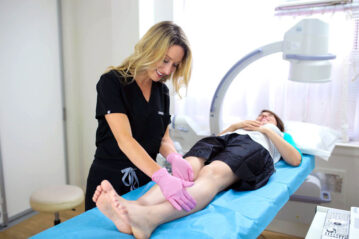
Professional Treatment evaluation for Vein Diseases at Vein Treatment Clinic.
Professional Treatment evaluation for Vein Diseases at Vein Treatment Clinic.
What symptoms are assessed during a vein evaluation?
A vein evaluation commonly assesses symptoms such as leg pain, swelling, heaviness, fatigue, itching, and skin discoloration.
Visible varicose veins, spider veins, or changes in skin texture are also carefully reviewed.
Does This Sound Like You? Check Your Symptoms
What happens during a vein evaluation?
A typical evaluation includes a review of symptoms, medical history, and a physical exam of the legs.
In many cases, a vein ultrasound is performed to assess blood flow and valve function.
Get a Peek Inside Your Veins—Book Your Ultrasound Evaluation.
Symptom Checker
What is a vein ultrasound and why is it important?
A vein ultrasound uses sound waves to show how blood flows through the veins in real time.
It identifies venous reflux, valve failure, and which veins may be contributing to symptoms.
Is a vein evaluation painful?
A vein evaluation and ultrasound are non-invasive and generally painless.
Most patients tolerate the evaluation easily and resume normal activities immediately afterward.
Do all patients need an ultrasound?
Not every patient requires ultrasound, but it is commonly used when symptoms or visible veins suggest underlying vein disease.
Ultrasound provides critical information that cannot be obtained through exam alone.
How long does a vein evaluation take?
Most vein evaluations are completed within a single visit.
The length depends on symptoms, findings, and whether ultrasound is performed.
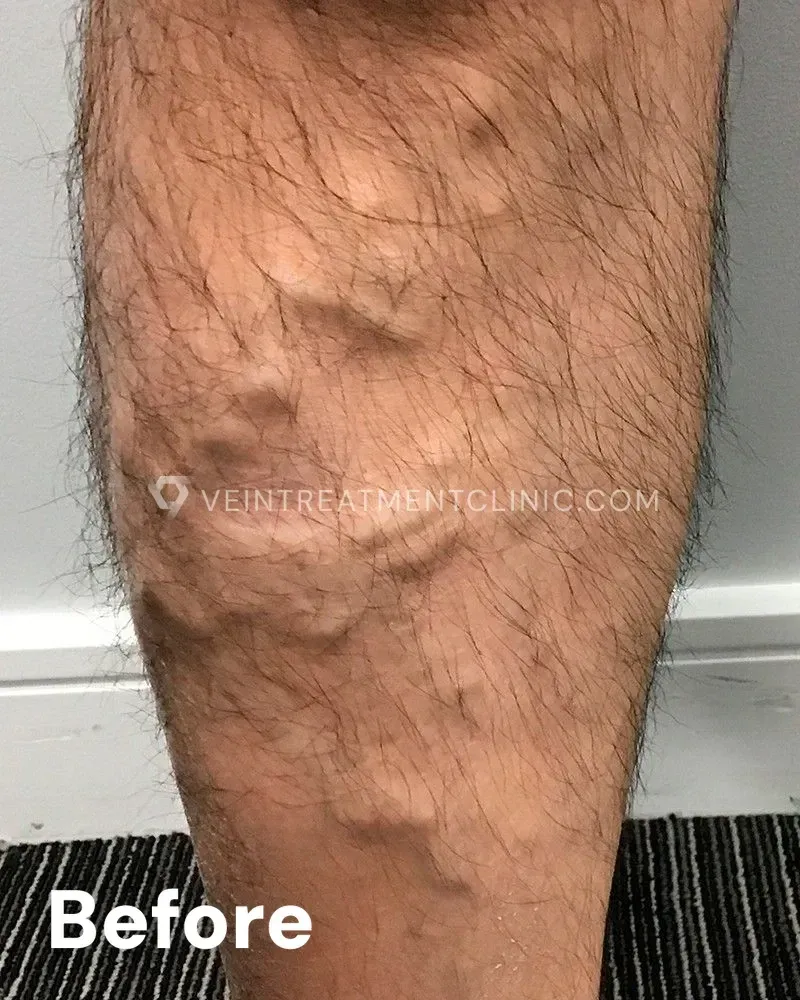
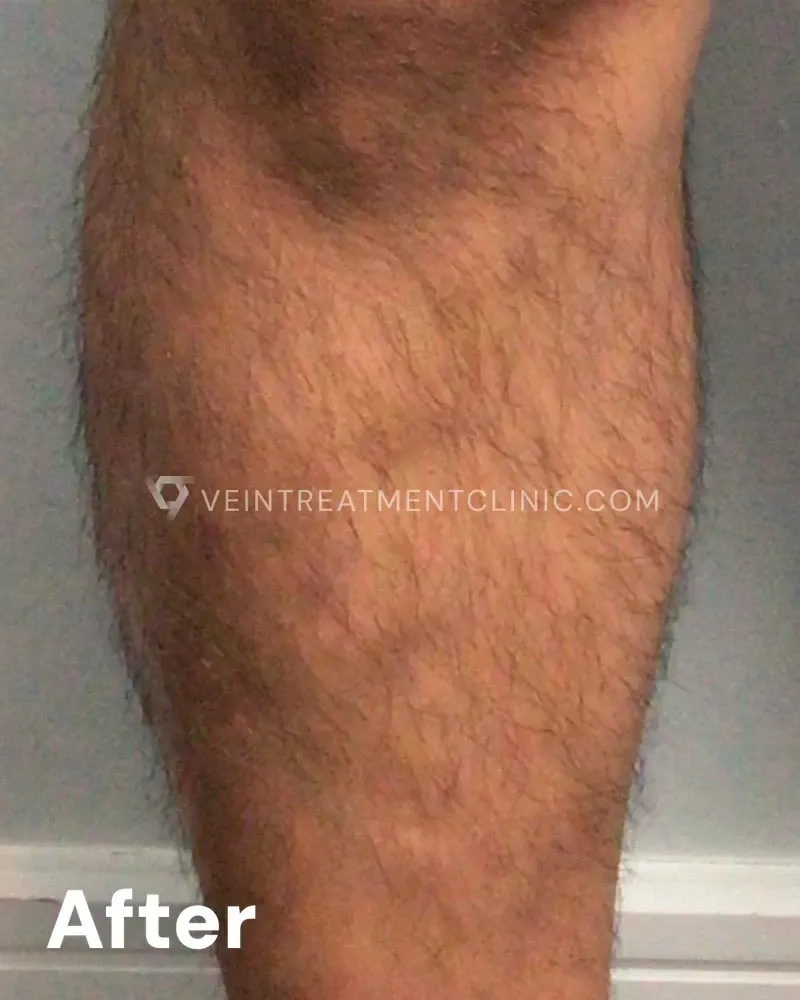
Male, treated for varicose veins on the calves with VeinVanish™, a customized treatment plan tailored to his condition. The after photo shows the treated areas appearing smoother with the varicose veins visibly reduced.
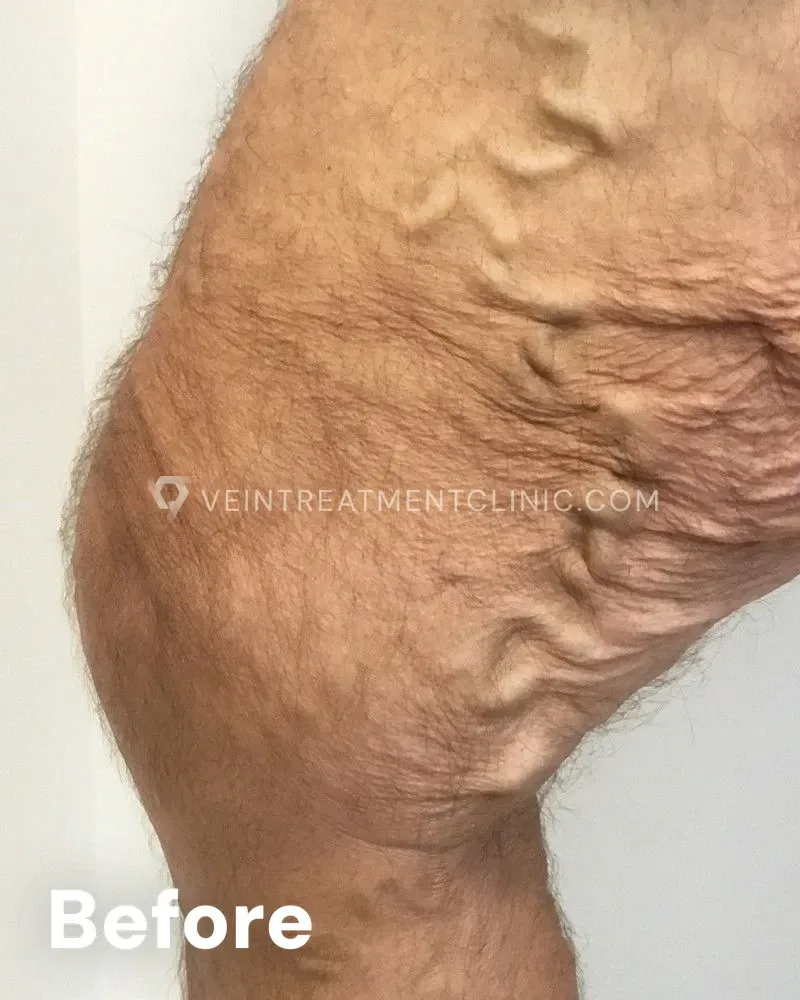
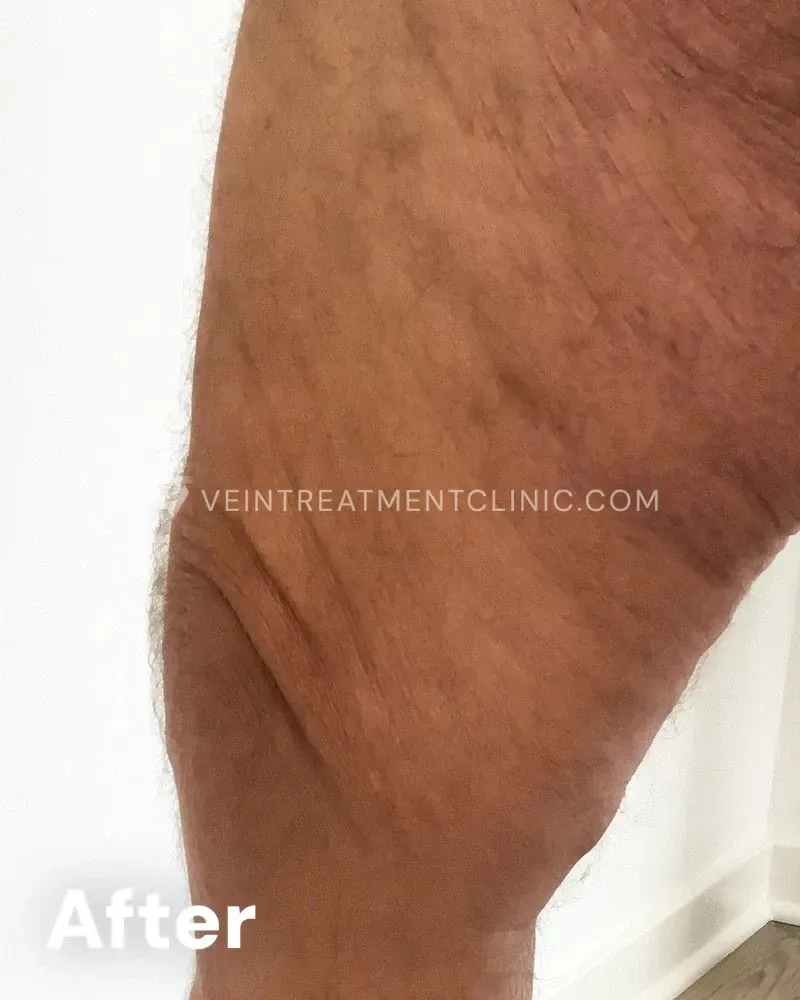
Male, treated for varicose veins on the thighs and knees with VeinVanish™, a customized treatment plan tailored to his condition. The after photo shows the thighs and knees with a smoother-looking appearance.
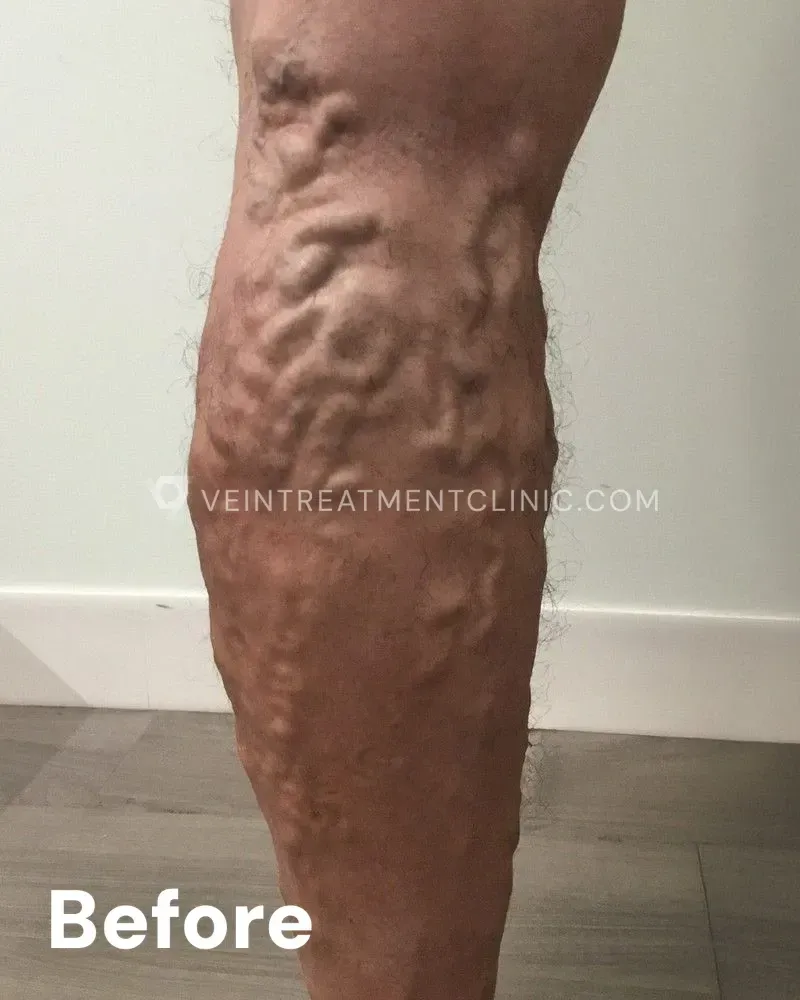
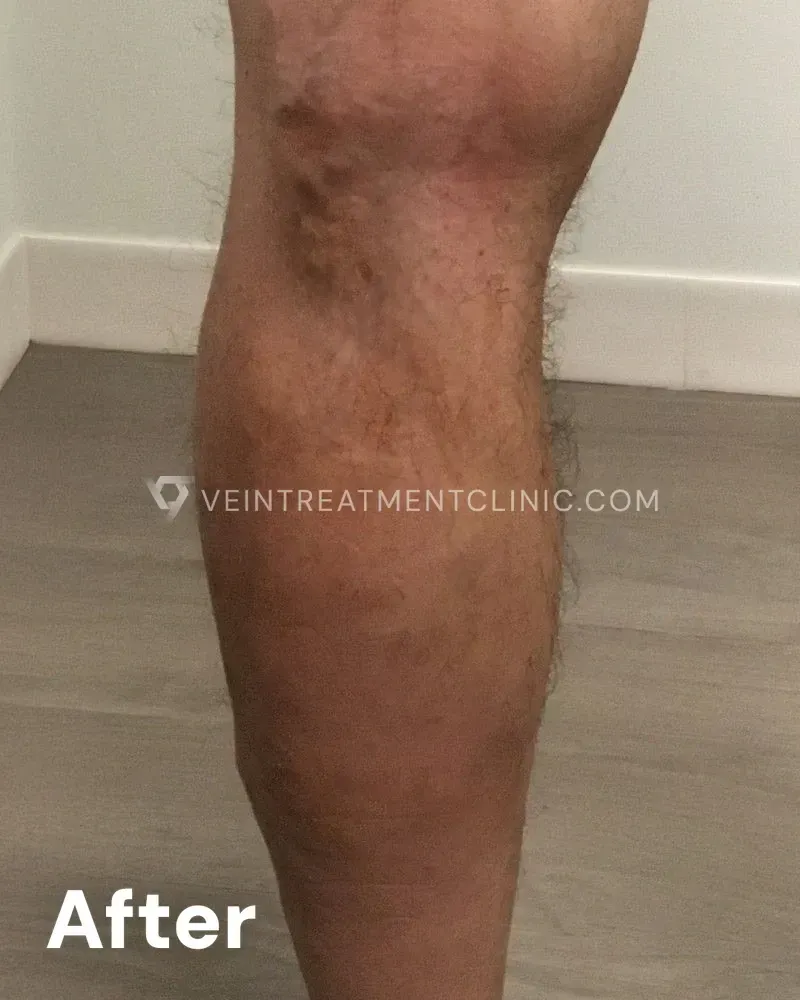
Male, treated for varicose veins on the calves and knees with VeinVanish™, a customized treatment plan tailored to his condition. The after photo shows the affected areas appearing smoother-looking with the varicose veins visibly reduced.
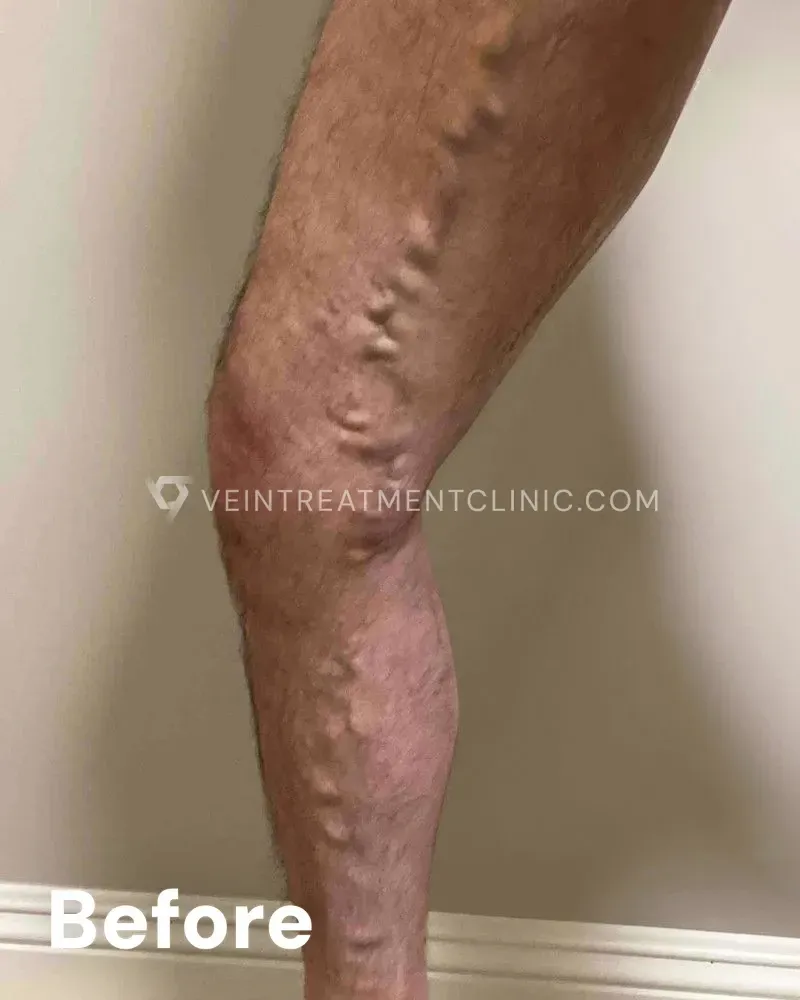
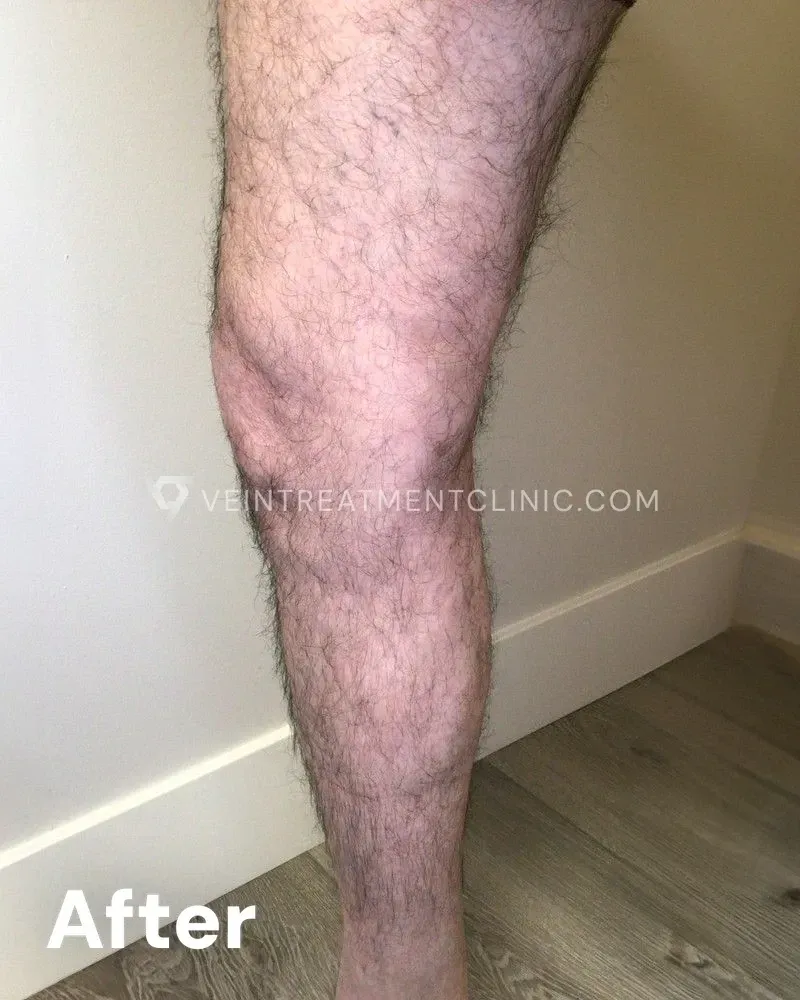
Male, treated for varicose veins on the thighs, calves, and knees with VeinVanish™, a customized treatment plan tailored to his condition. The after photo shows smoother-looking legs with the varicose veins visibly reduced across the treated areas.
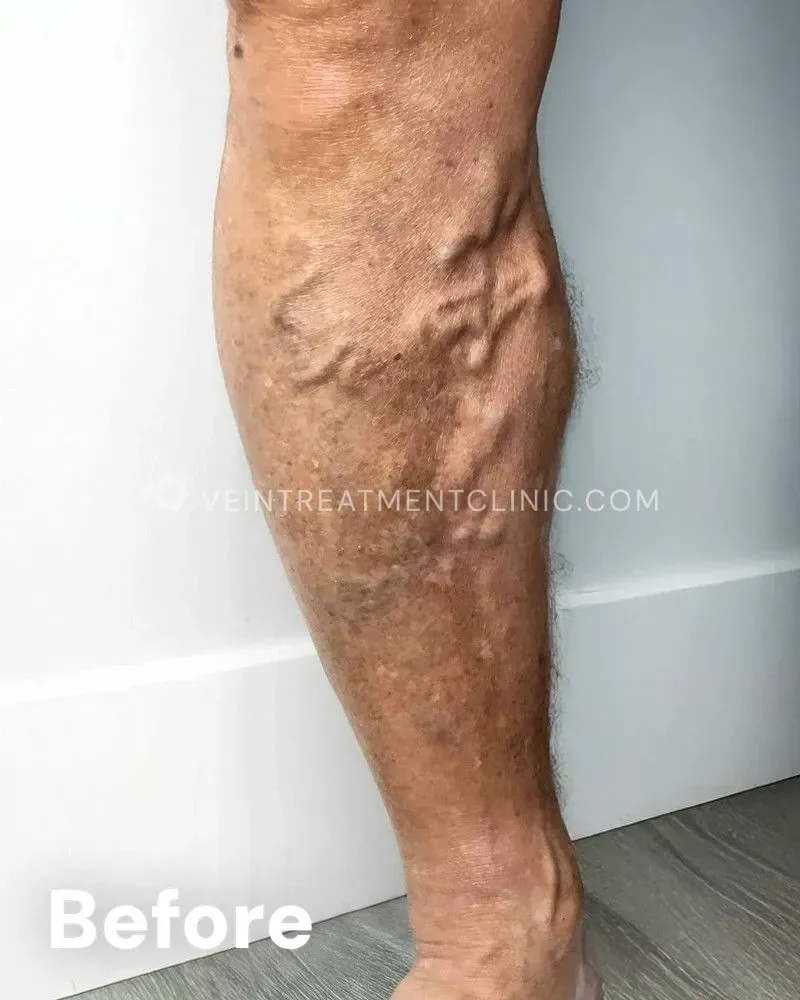
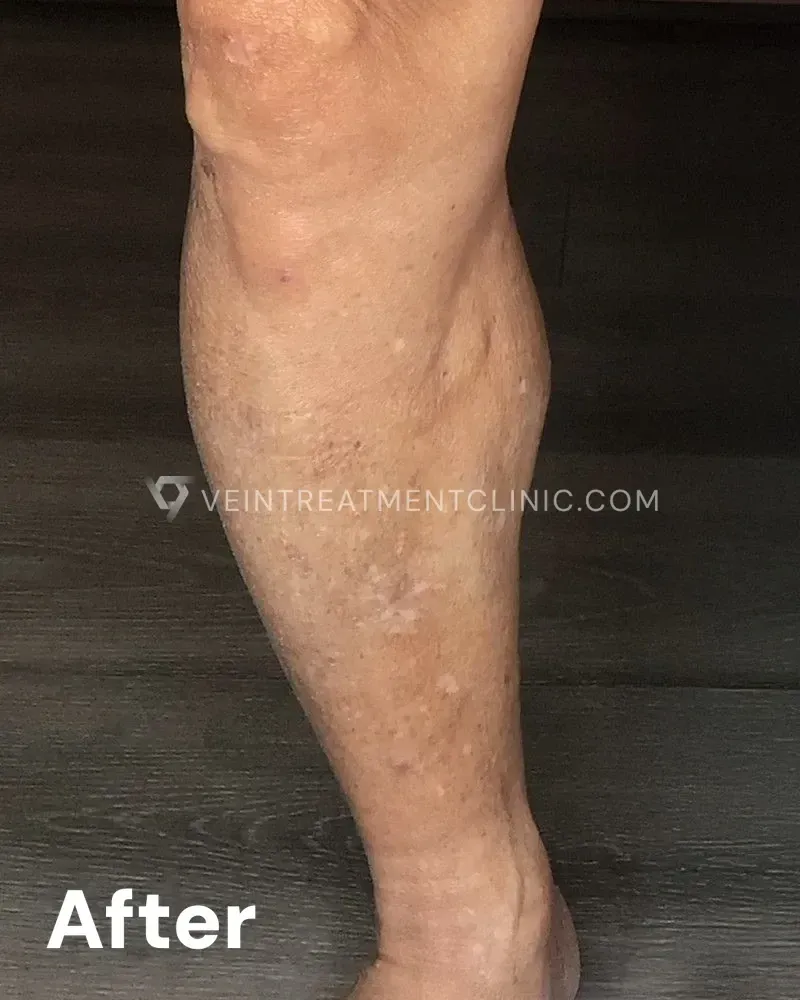
Male, treated for varicose veins on the calves and thighs with VeinVanish™, a customized treatment plan tailored to his condition. The after photo shows the legs appearing smoother-looking with the varicose veins visibly reduced.
Results vary based on individual conditions, and a personalized consultation is required to determine the best treatment options.
What happens after a vein evaluation?
After the vein consultation, the findings from the vein disease evaluation are reviewed and explained in clear, patient-friendly terms.
Some patients are reassured that monitoring is appropriate, while others may benefit from treatment.
Does a vein evaluation mean treatment is required?
No. A vein evaluation or vein exam does not automatically mean treatment is necessary.
The goal is to provide clarity and help patients make informed decisions based on findings.
When should someone consider a vein evaluation?
A vein evaluation is recommended when leg symptoms are persistent, worsening, or affecting daily activities.
It is also appropriate when visible veins are accompanied by discomfort, swelling, or skin changes.