

Table of contents

Get treated by vein treatment industry leaders
Do Varicose Veins Get Worse Over Time?

Medically verified
Last updated on 1/29/2026

By Dr. Michael Nguyen
Vein Doctor at Vein Treatment Clinic
Harvard Medical School
Board Certified by the American Board of Venous and Lymphatic Medicine
Varicose veins often begin gradually, which leads many people to wonder whether they will stay the same or worsen over time.
For some individuals, varicose veins remain relatively stable for years. For others, they progress and lead to increasing symptoms or skin changes.

Understanding how and why varicose veins can worsen helps patients recognize early warning signs and decide when evaluation or treatment may be helpful.
If you’re noticing changes in your veins or symptoms over time, a vein evaluation can help clarify what’s happening.
Do varicose veins always get worse?
Not always. Some people have varicose veins that remain mild and cause little change over time.
However, varicose veins are often part of an underlying vein condition, which raises the question of are they dangerous as progression occurs.
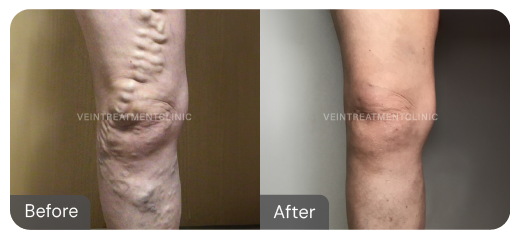
Varicose Vein before and after treatment pictures.
Results may vary according to each case.
Varicose Vein before and after treatment pictures.
Results may vary according to each case.
Can varicose veins worsen over time?
Varicose veins develop due to underlying causes, including valve failure inside the veins. Once valves are damaged, they do not repair themselves.
Ongoing backward blood flow increases pressure in the veins, which can gradually worsen vein enlargement and symptoms.
What signs suggest progression of varicose veins?
Signs of progression may include increasing vein size, more visible veins, worsening leg pain, swelling, or heaviness.
Skin changes such as darkening, itching, or thickening near the ankles can also indicate progression.
Can symptoms worsen even if veins look the same?
Yes. Symptoms can worsen even when visible veins appear unchanged.
Vein function beneath the surface may decline before appearance changes become obvious.
Symptom Checker
Does untreated vein disease increase risk over time?
Untreated varicose veins can increase the risk of chronic venous insufficiency.
Over time, this may lead to persistent swelling, skin damage, inflammation, or venous ulcers.
Do lifestyle changes stop progression?
Lifestyle measures such as walking, leg elevation, compression, and avoiding prolonged standing may reduce symptoms.
While helpful, these steps do not reverse valve damage and may not stop progression entirely.
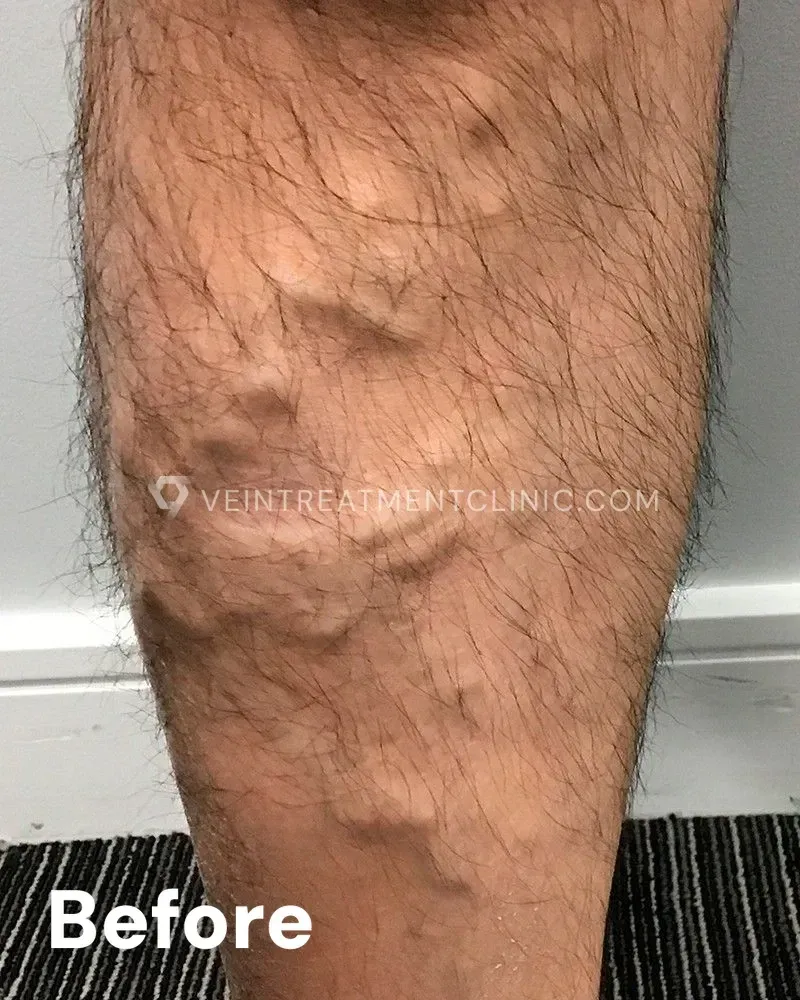
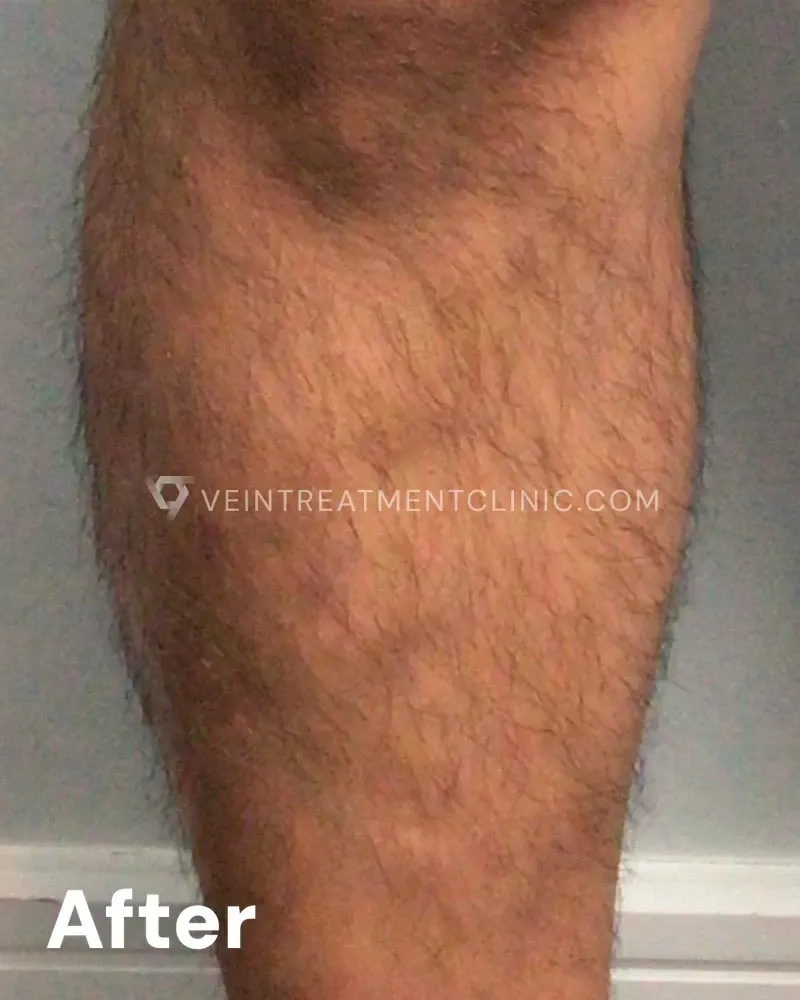
Male, treated for varicose veins on the calves with VeinVanish™, a customized treatment plan tailored to his condition. The after photo shows the treated areas appearing smoother with the varicose veins visibly reduced.
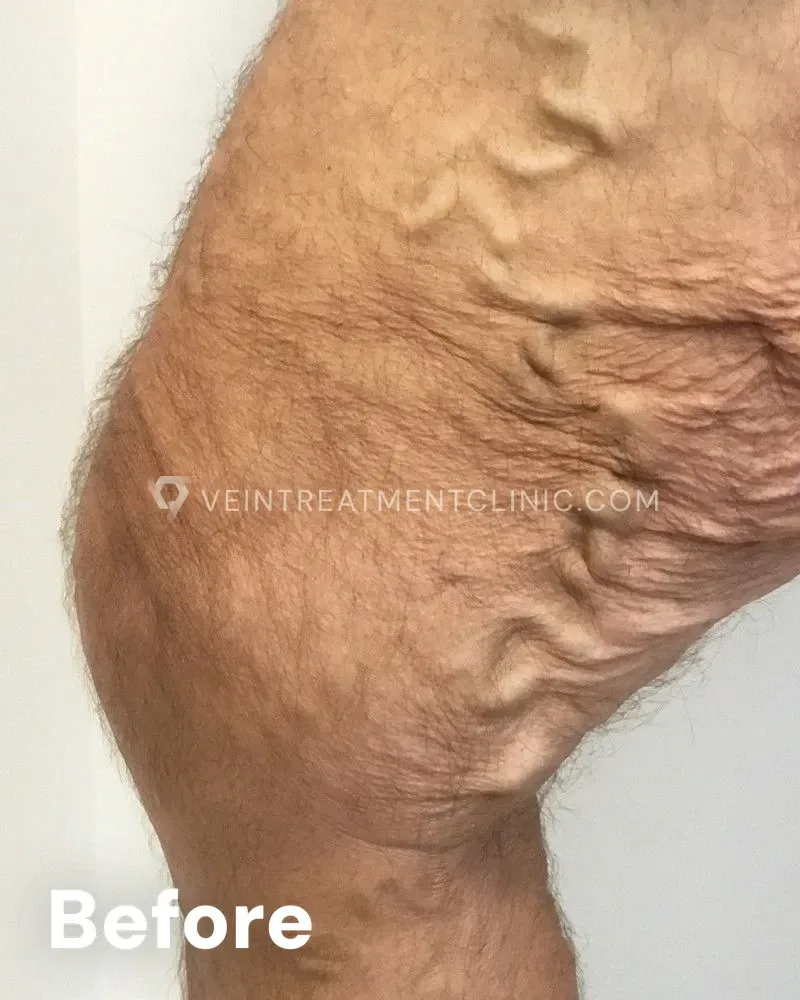
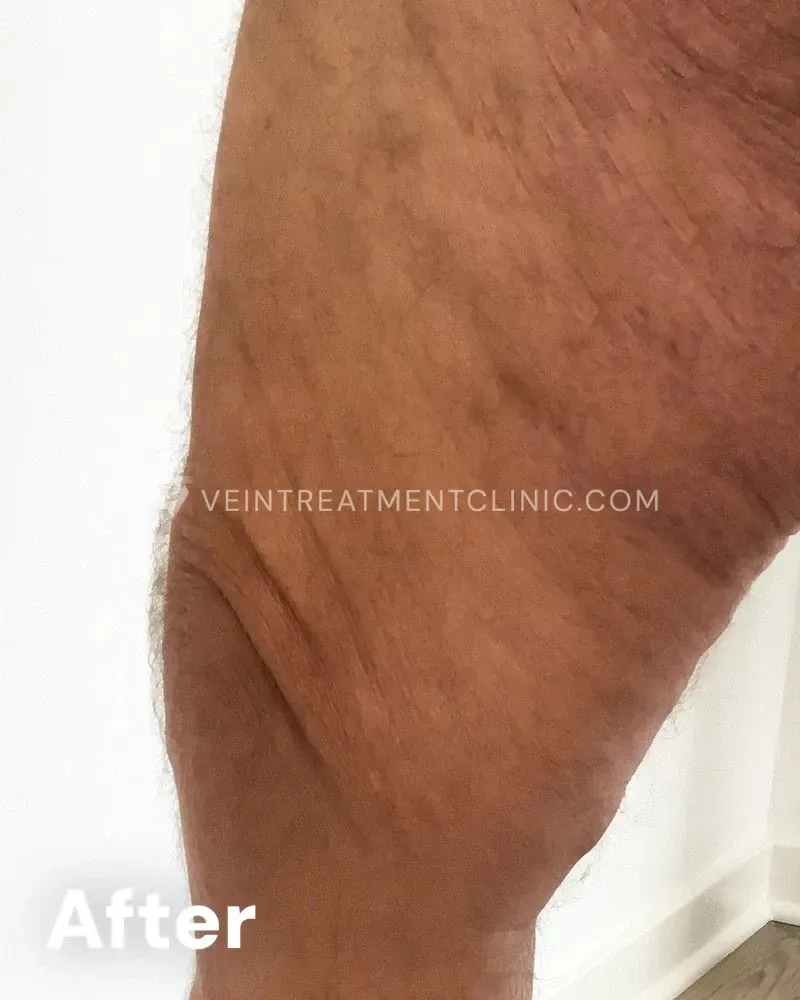
Male, treated for varicose veins on the thighs and knees with VeinVanish™, a customized treatment plan tailored to his condition. The after photo shows the thighs and knees with a smoother-looking appearance.
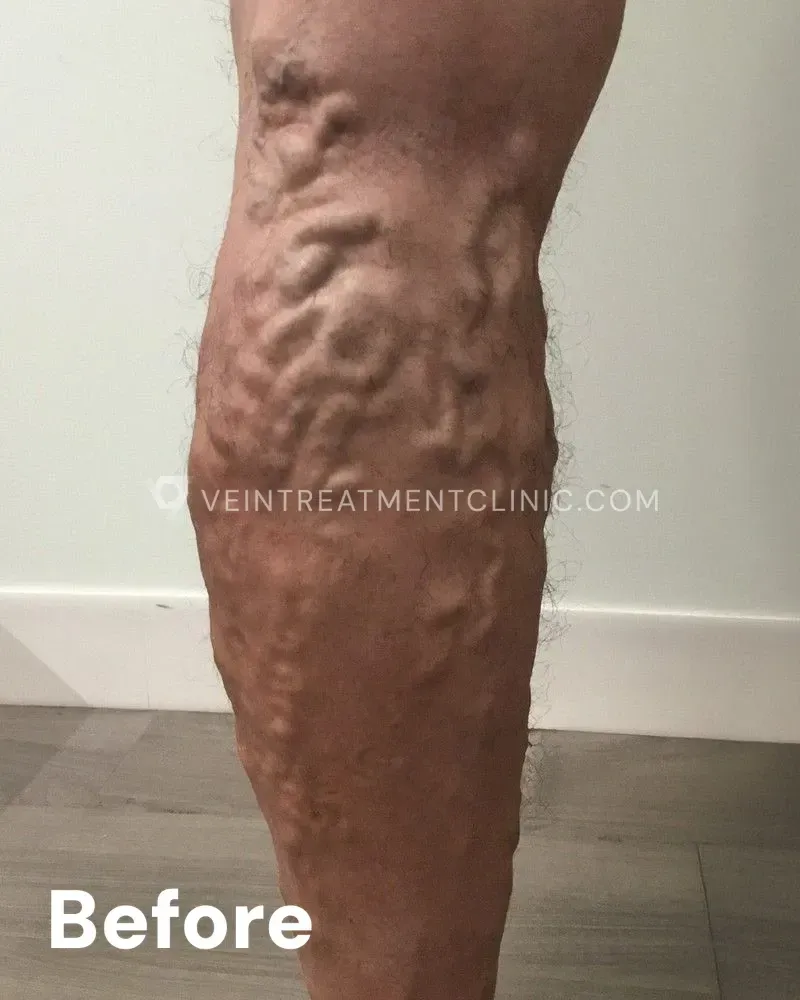
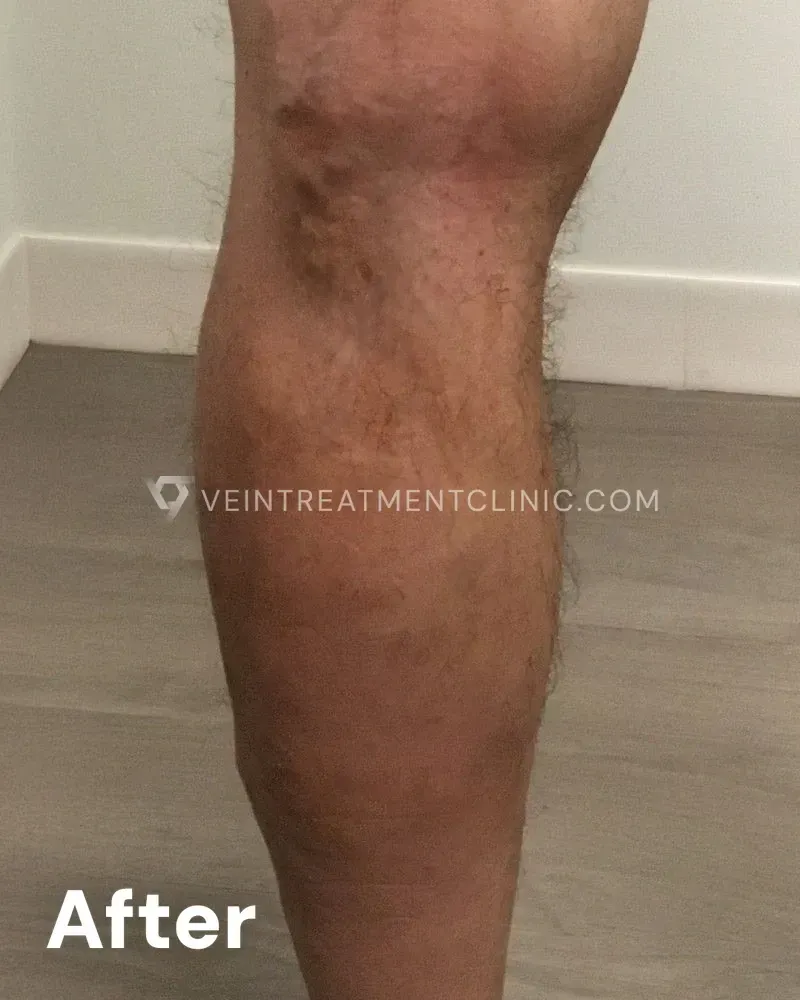
Male, treated for varicose veins on the calves and knees with VeinVanish™, a customized treatment plan tailored to his condition. The after photo shows the affected areas appearing smoother-looking with the varicose veins visibly reduced.
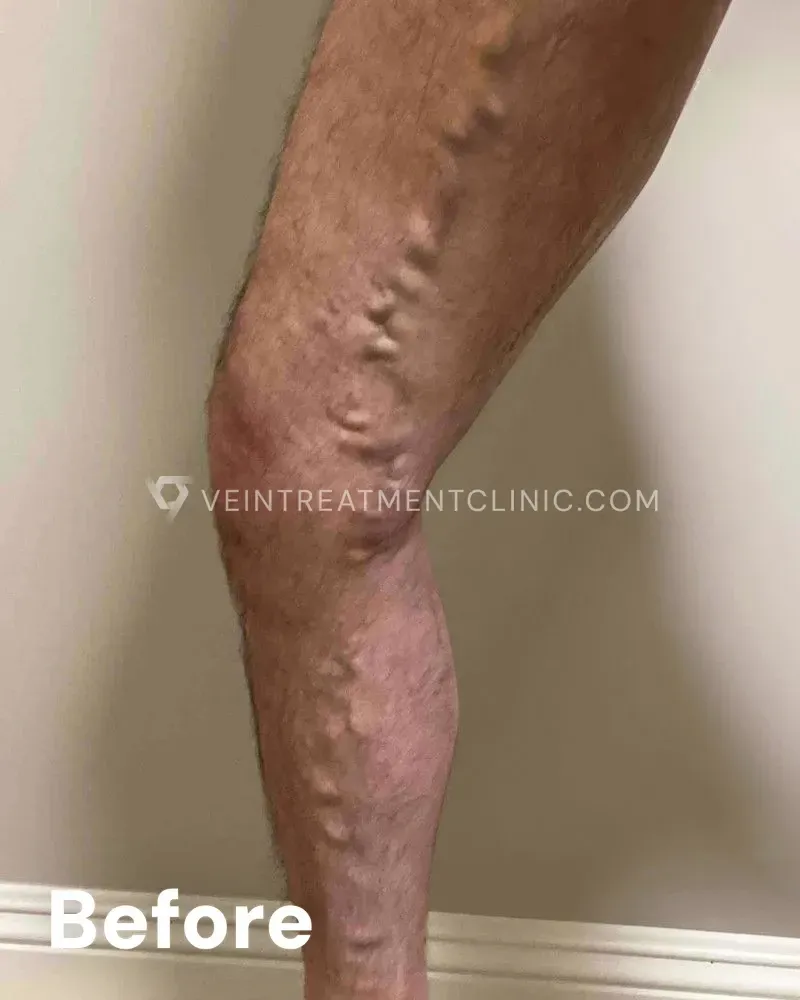
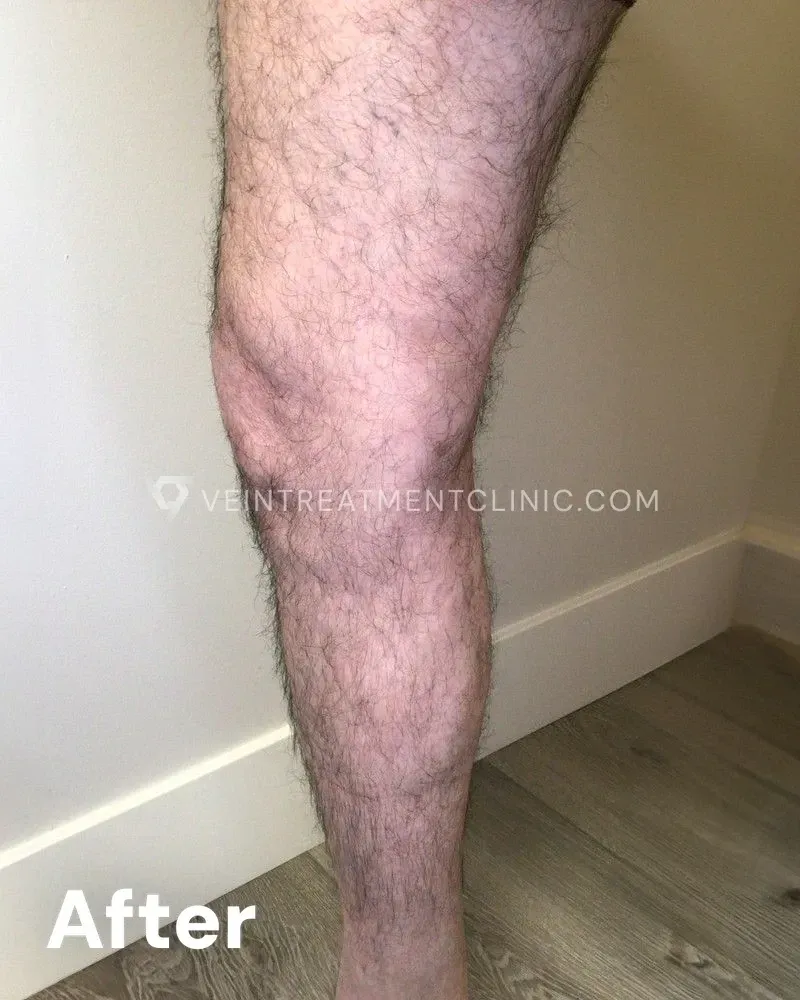
Male, treated for varicose veins on the thighs, calves, and knees with VeinVanish™, a customized treatment plan tailored to his condition. The after photo shows smoother-looking legs with the varicose veins visibly reduced across the treated areas.
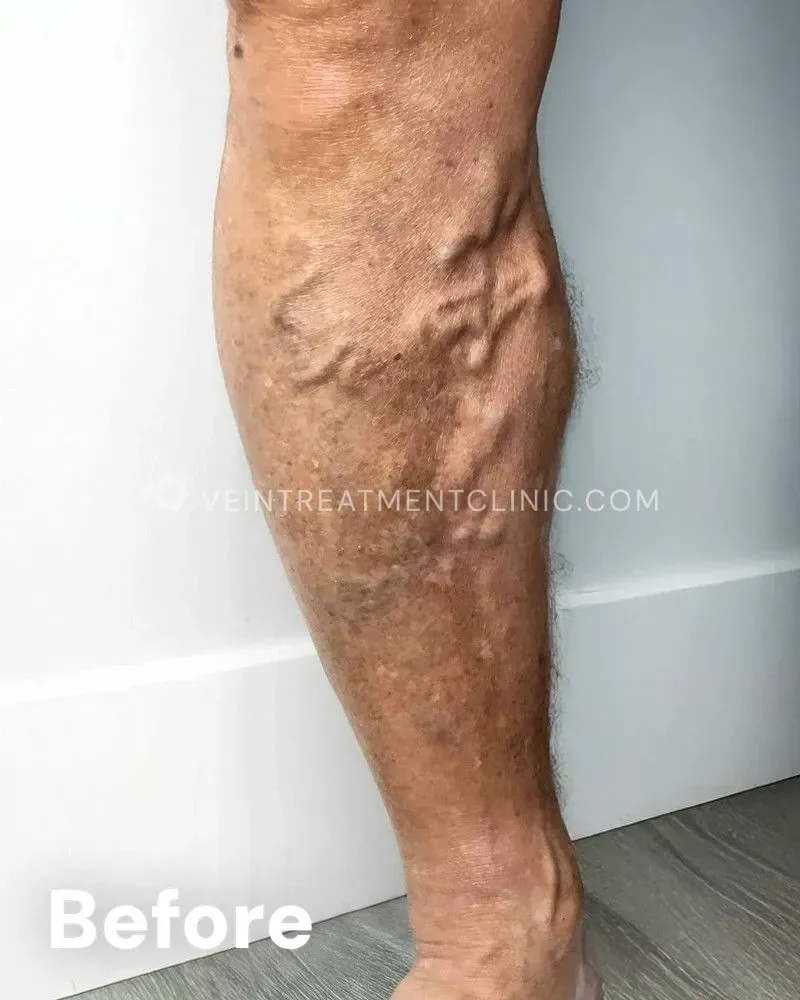
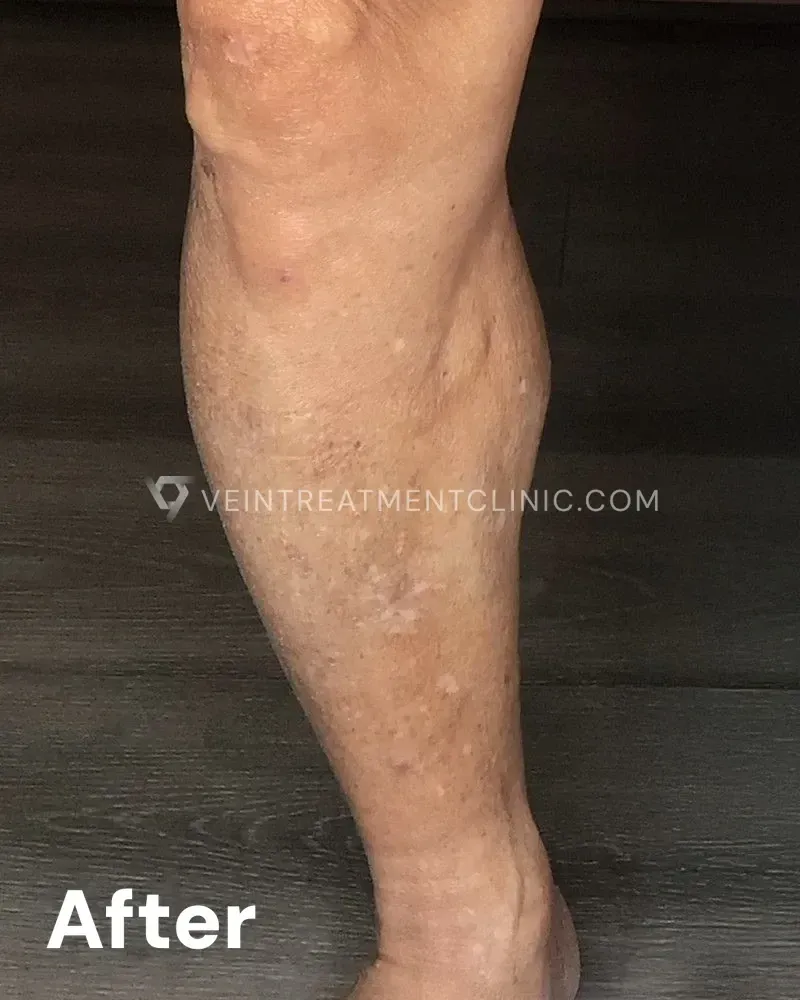
Male, treated for varicose veins on the calves and thighs with VeinVanish™, a customized treatment plan tailored to his condition. The after photo shows the legs appearing smoother-looking with the varicose veins visibly reduced.
How fast do varicose veins progress?
Progression varies widely. Some people notice slow changes over many years, while others experience faster worsening.
Genetics, age, activity level, pregnancy, and overall vein health all influence progression speed.
When is progression a reason for treatment?
Progression varies widely. Some people notice slow changes over many years, while others experience faster worsening.
Genetics, age, activity level, pregnancy, and overall vein health all influence progression speed.