

Table of contents

Get treated by vein treatment industry leaders
Varicose Veins: What They Are, Why They Occur, and How They’re Treated

Medically verified
Last updated on 1/29/2026

By Dr. Michael Nguyen
Vein Doctor at Vein Treatment Clinic
Harvard Medical School
Board Certified by the American Board of Venous and Lymphatic Medicine
Varicose veins are enlarged, bulging veins that most commonly appear on the legs. Some patients notice them because of appearance alone, while others seek care because of aching, heaviness, swelling, or leg fatigue.
Although varicose veins are common, they are often misunderstood. Some people assume they are only cosmetic, while others worry they may indicate a more serious circulation issue.

This page provides a comprehensive overview of varicose veins, answers the most common patient questions, and explains when evaluation and treatment may be helpful.
If you’re unsure whether your varicose veins are cosmetic or a sign of vein disease, a vein evaluation can help clarify what’s happening.
What are varicose veins?
Varicose veins in legs are enlarged veins that develop when blood does not flow efficiently back toward the heart, causing veins to stretch and become visible.
They most often affect the legs, where veins work against gravity, and can range from mildly enlarged veins to prominent bulging veins.
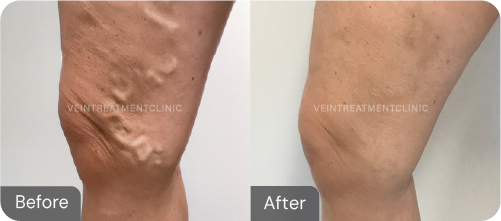
Varicose Vein before and after treatment pictures.
Results may vary according to each case.
Varicose Vein before and after treatment pictures.
Results may vary according to each case.
What causes varicose veins?
Varicose veins develop when the valves inside the veins weaken or fail, allowing blood to flow backward and pool in the vein.
Common contributing factors include genetics, aging, pregnancy, prolonged standing or sitting, and increased pressure in the leg veins.
What symptoms are associated with varicose veins?
Are varicose veins dangerous or just cosmetic?
Some varicose veins are primarily cosmetic, while others may signal underlying venous insufficiency.
Knowing when varicose veins are harmless and when they require medical attention helps guide appropriate care.
Symptom Checker
Do varicose veins get worse over time?
Some varicose veins remain stable, while others progress and cause increasing symptoms or skin changes.
Progression depends on underlying vein function and contributing risk factors.
Can varicose veins go away on their own?
True varicose veins usually do not disappear without treatment because valve dysfunction does not reverse on its own.
Symptoms may fluctuate, but the underlying vein issue often remains.
Gravity vs. Your Veins: Learn Why Damaged Valves Need Professional Repair
How are varicose veins diagnosed?
Diagnosis usually includes a physical exam and a non-invasive ultrasound to evaluate blood flow and valve function.
Ultrasound helps determine whether deeper vein reflux is contributing to visible veins and symptoms.
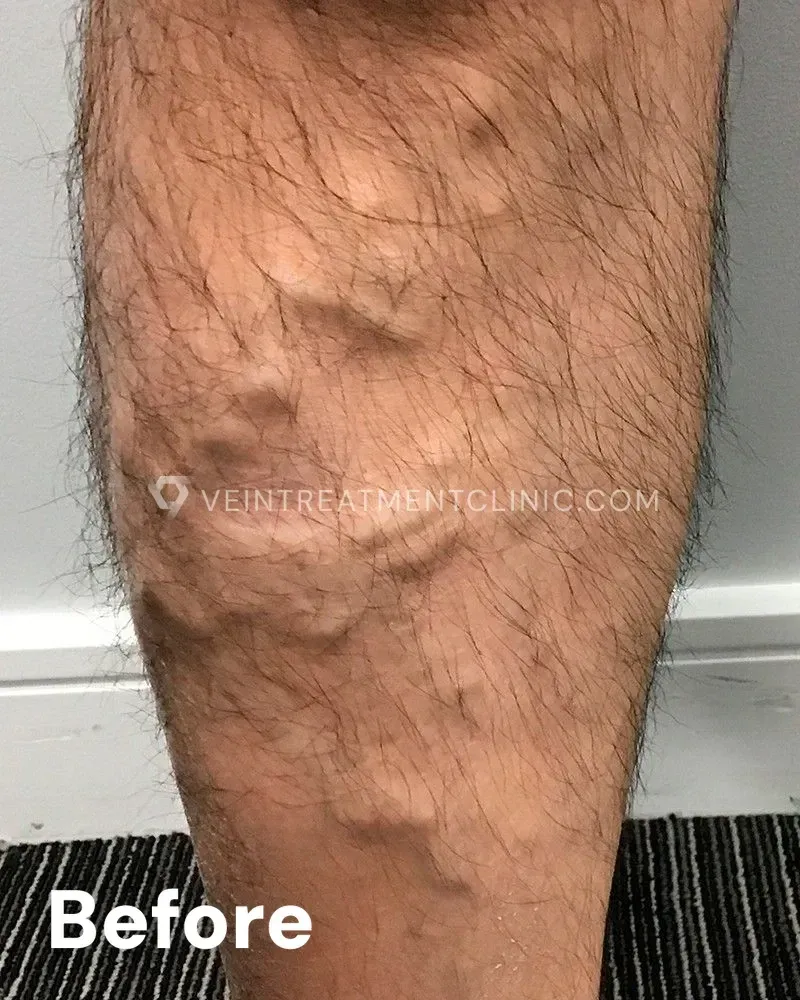
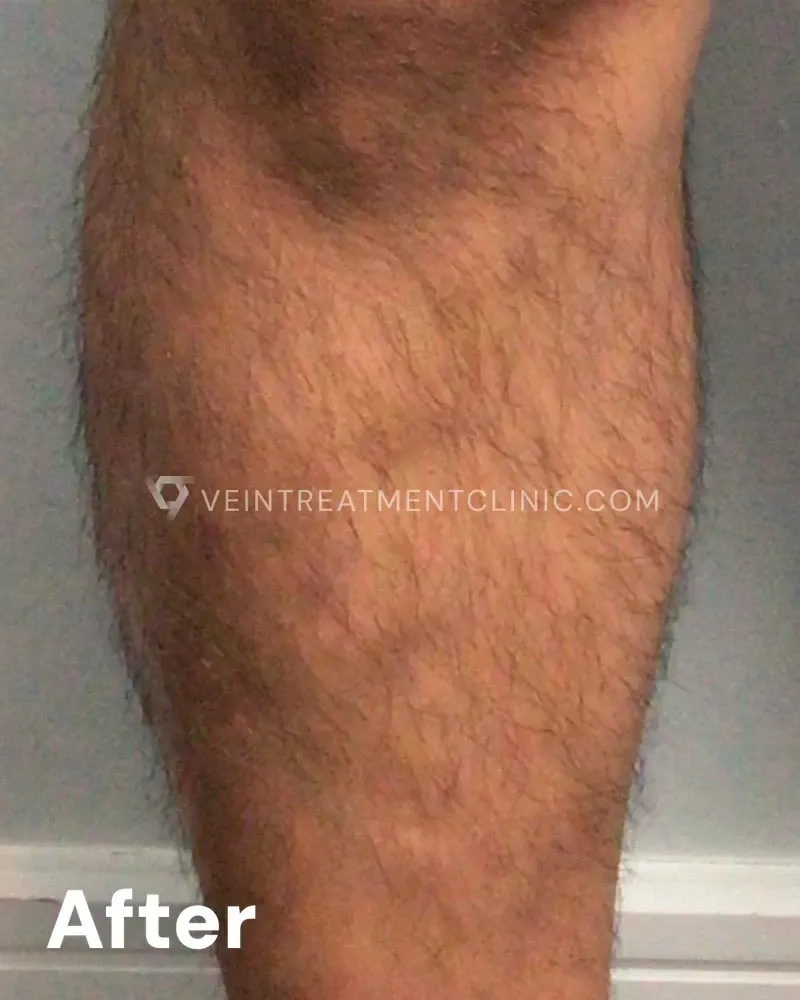
Male, treated for varicose veins on the calves with VeinVanish™, a customized treatment plan tailored to his condition. The after photo shows the treated areas appearing smoother with the varicose veins visibly reduced.
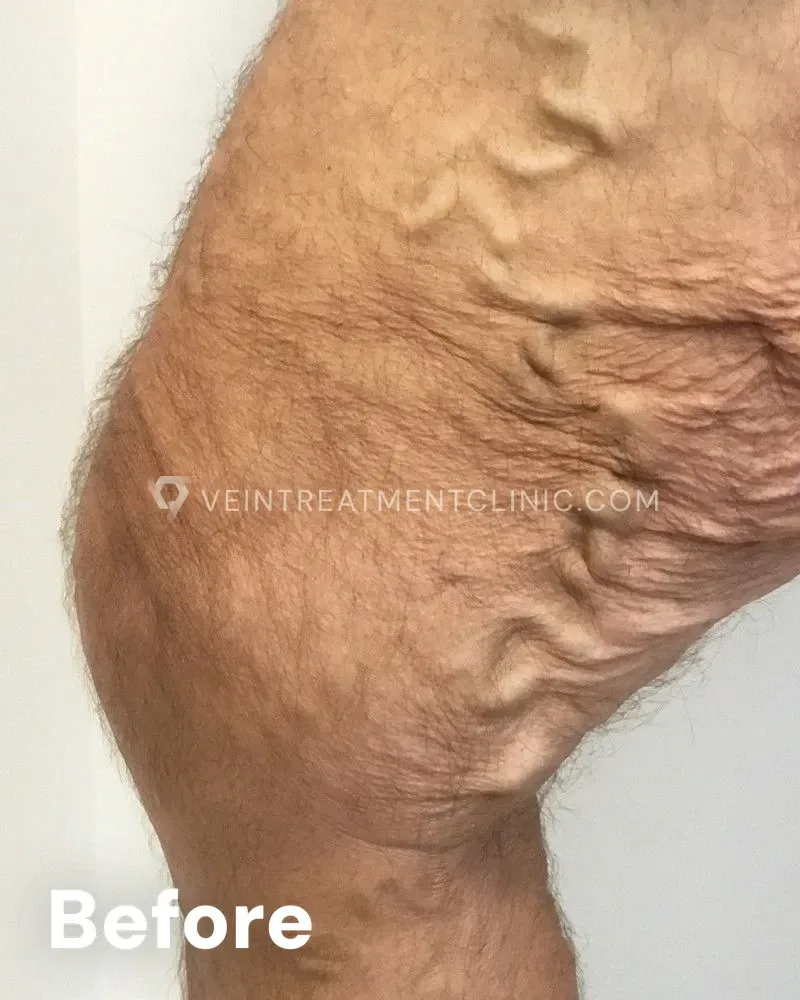
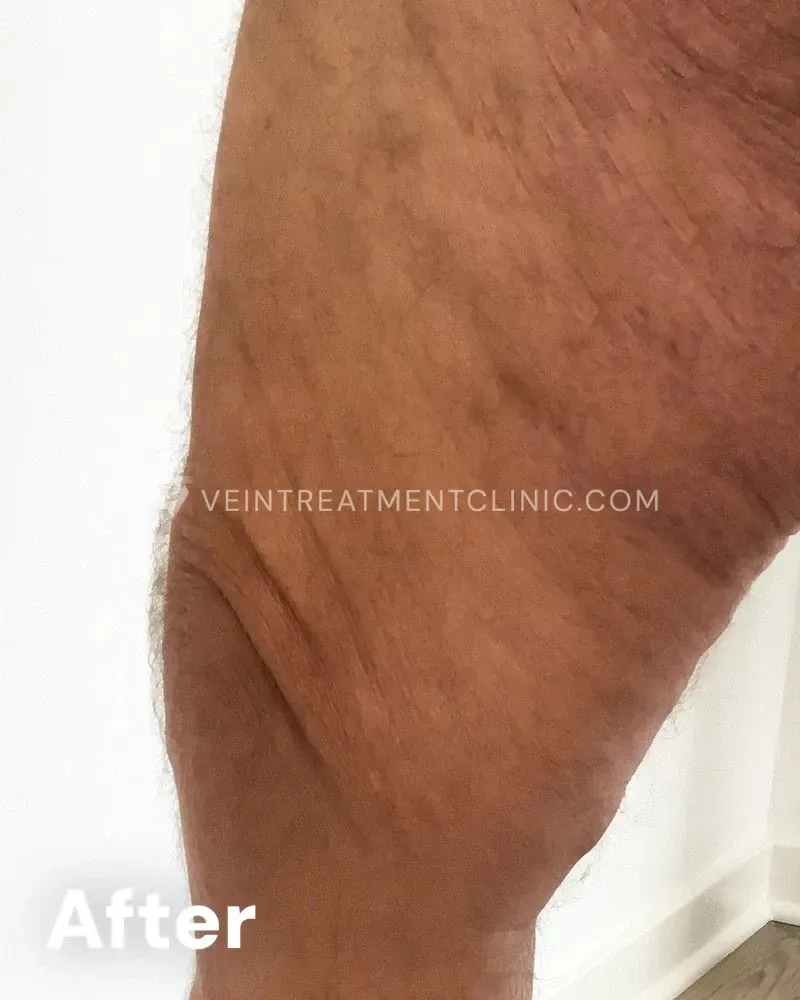
Male, treated for varicose veins on the thighs and knees with VeinVanish™, a customized treatment plan tailored to his condition. The after photo shows the thighs and knees with a smoother-looking appearance.
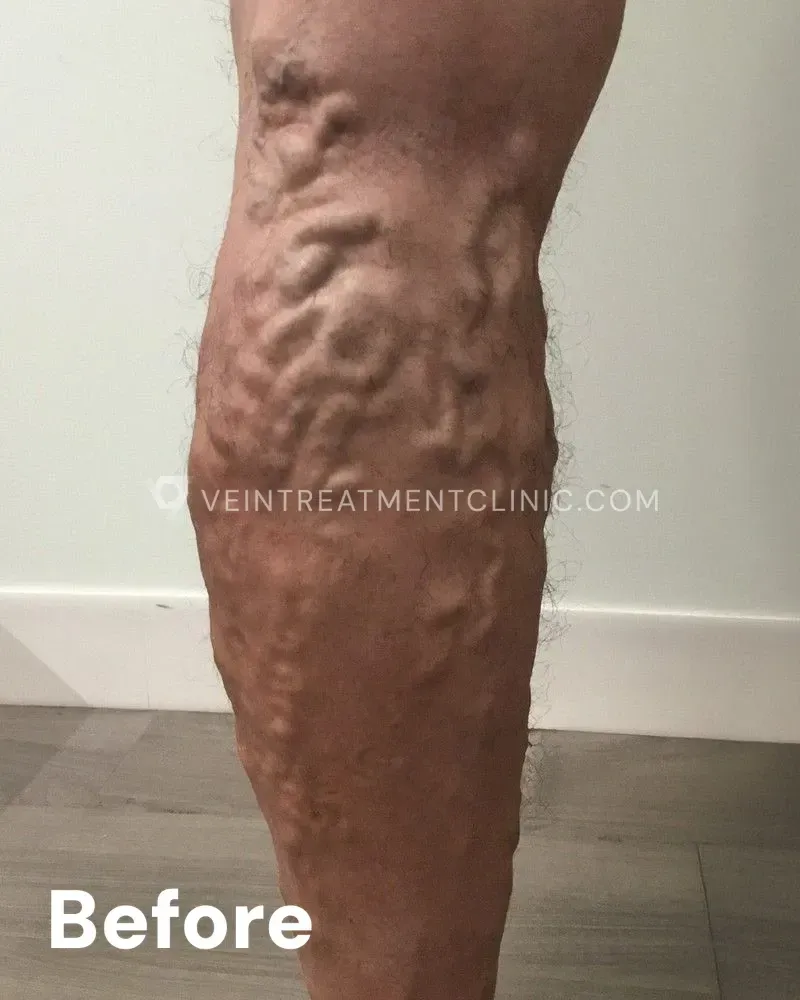
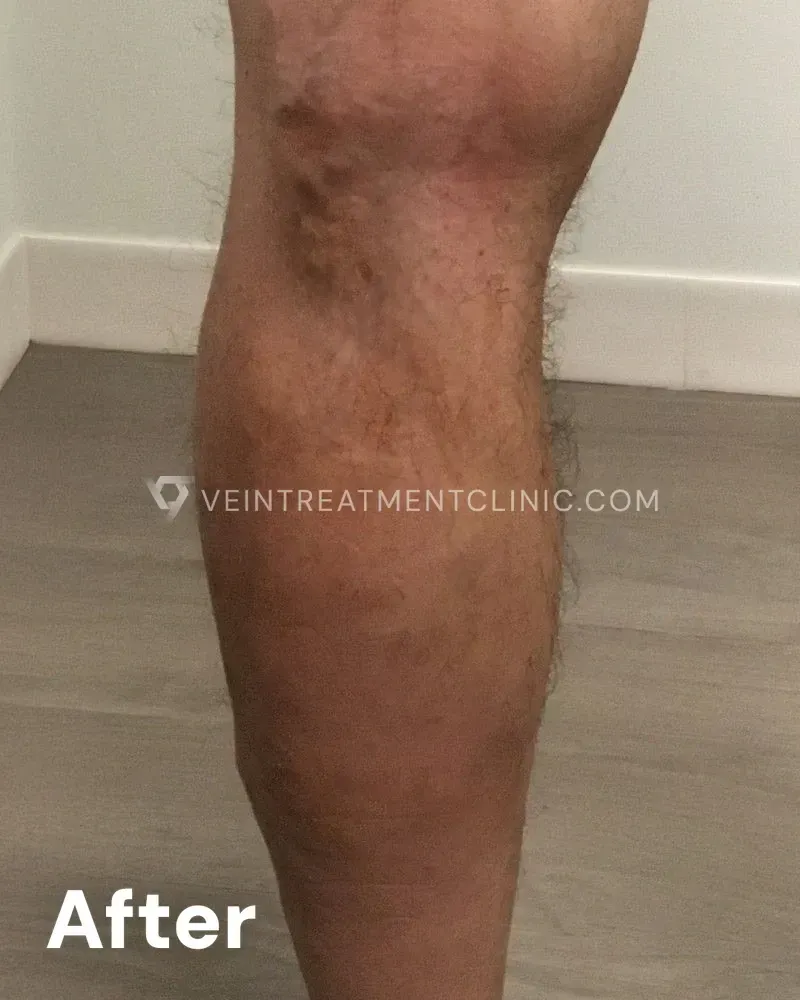
Male, treated for varicose veins on the calves and knees with VeinVanish™, a customized treatment plan tailored to his condition. The after photo shows the affected areas appearing smoother-looking with the varicose veins visibly reduced.
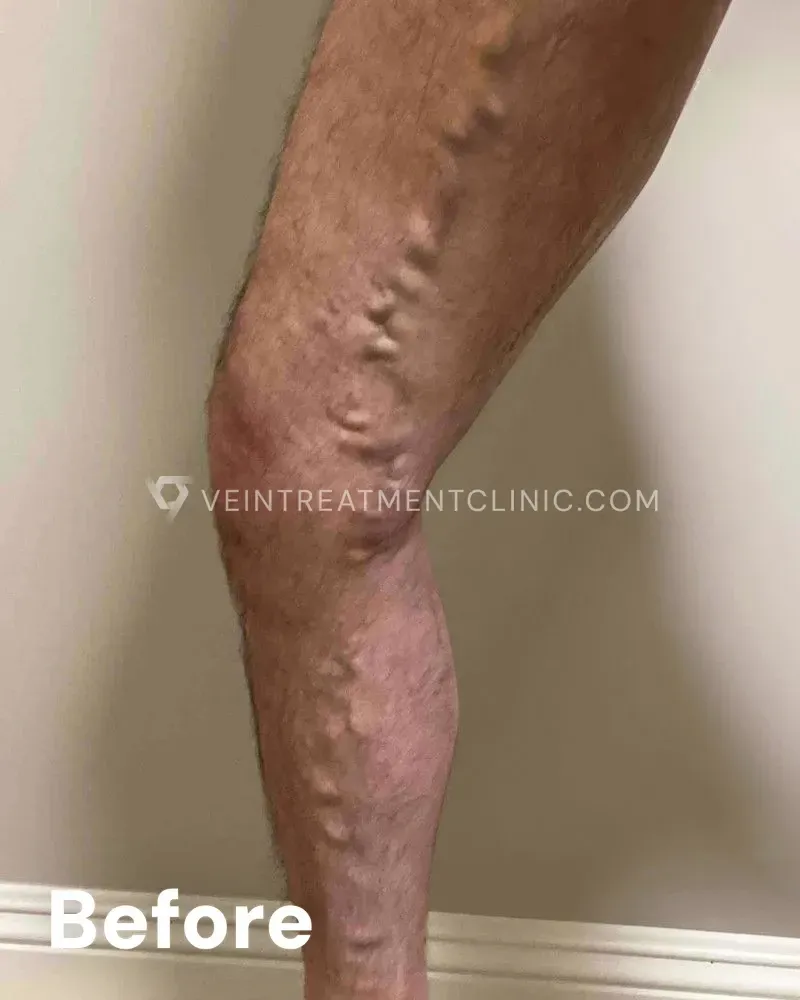
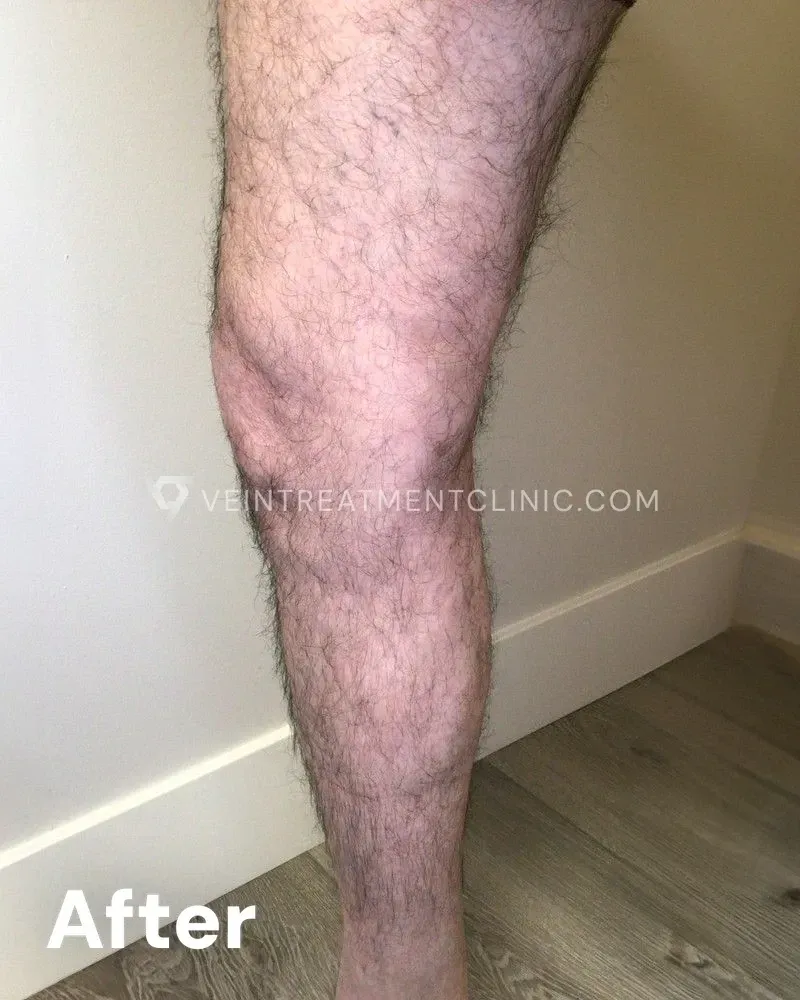
Male, treated for varicose veins on the thighs, calves, and knees with VeinVanish™, a customized treatment plan tailored to his condition. The after photo shows smoother-looking legs with the varicose veins visibly reduced across the treated areas.
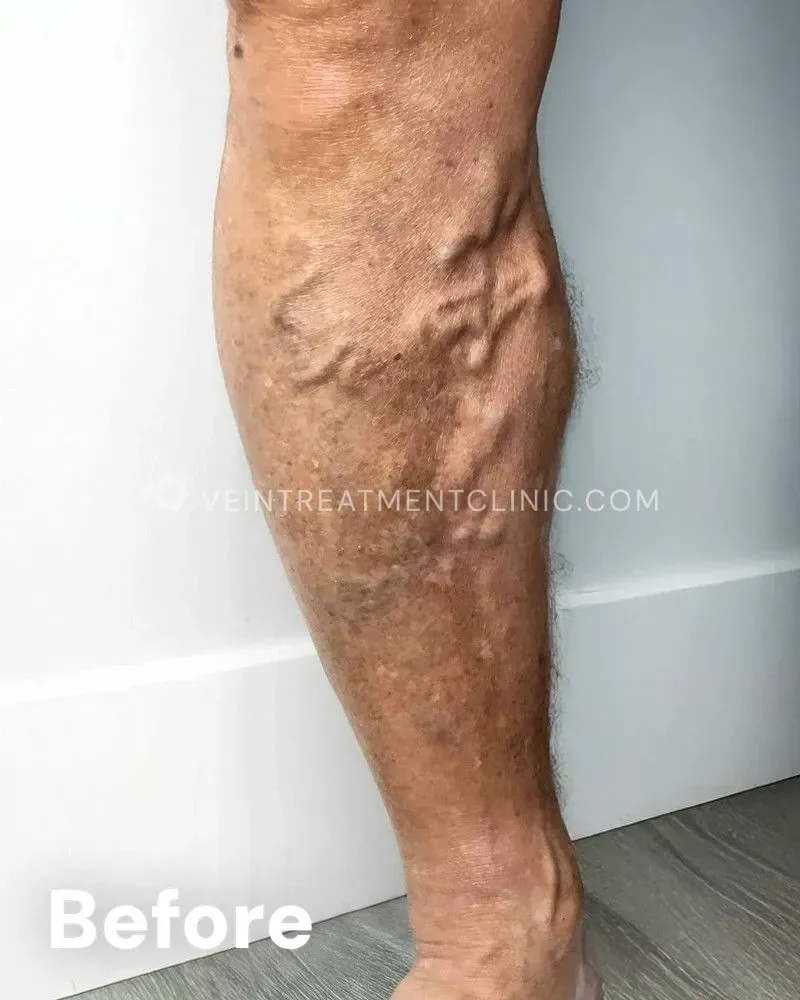
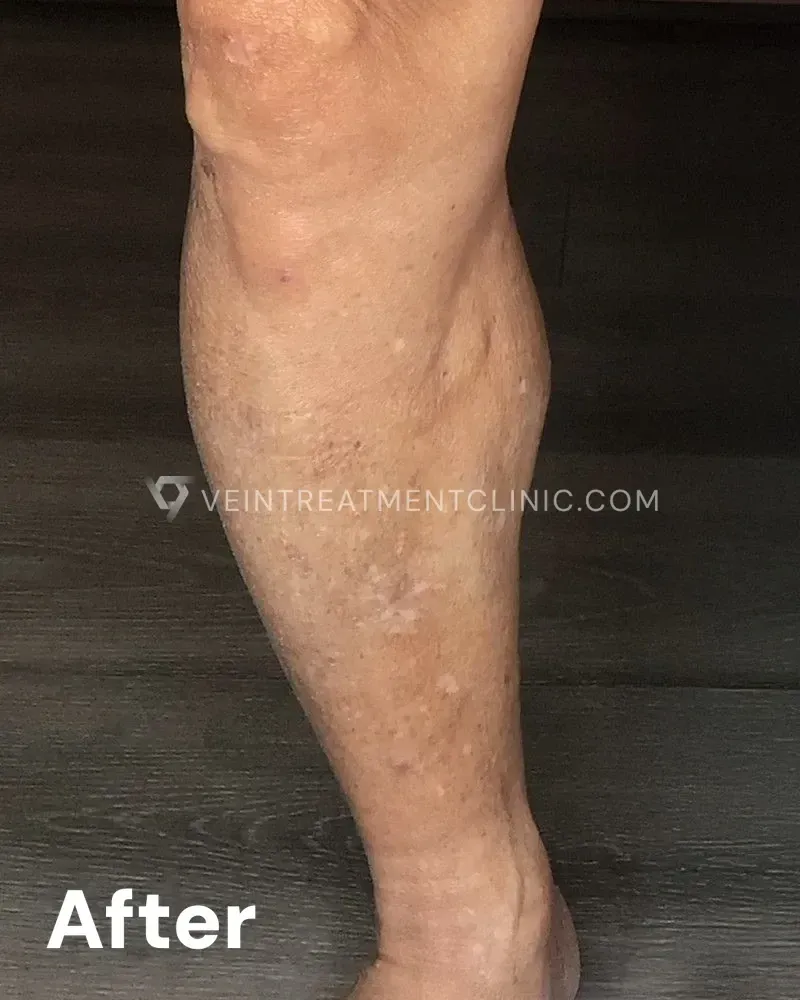
Male, treated for varicose veins on the calves and thighs with VeinVanish™, a customized treatment plan tailored to his condition. The after photo shows the legs appearing smoother-looking with the varicose veins visibly reduced.
Results vary based on individual conditions, and a personalized consultation is required to determine the best treatment options.
What are the treatment options for varicose veins?
Modern treatment focuses on improving circulation using minimally invasive, non-surgical procedures.
Treatment selection depends on vein anatomy, symptoms, and ultrasound findings.
What is the best treatment for varicose veins?
There is no single best treatment for everyone. The most effective approach depends on the underlying cause of the vein problem and the patient's anatomy.
Personalized treatment plans lead to better, longer-lasting results.
Is varicose vein treatment safe?
Modern varicose vein treatments are generally safe when performed by trained specialists using ultrasound guidance.
Most procedures are done in the office with minimal downtime.
How much does varicose vein treatment cost and is it covered by insurance?
Cost varies based on treatment type, extent of vein disease, and insurance coverage.
When treatment is medically necessary, insurance often covers part or all of the care.
When should you see a vein specialist?
Evaluation is recommended if varicose veins cause pain, swelling, skin changes, or interfere with daily activities.
Seeing a specialist helps determine whether monitoring or treatment is appropriate.